

Heikin-Ashi vs. Traditional Candlesticks: Why Colour Changes Matter in Automated Trading
Learn why candle color changes matter in NinjaTrader automated trading strategies. Compare Heikin-Ashi vs traditional candlesticks.
If you're building automated trading strategies in NinjaTrader, you've probably considered using Heikin-Ashi candles instead of traditional candlesticks.
Heikin-Ashi candles smooth out price action and make trends easier to spot visually. But when it comes to automated trading, the differences between these two chart types matter more than you might think.
Here's what you need to know about Heikin-Ashi versus traditional candlesticks, and why understanding colour changes is critical for your NinjaTrader automated trading strategies.
What Are Traditional Candlesticks?
Traditional candlesticks show the actual open, high, low, and close prices for each time period.
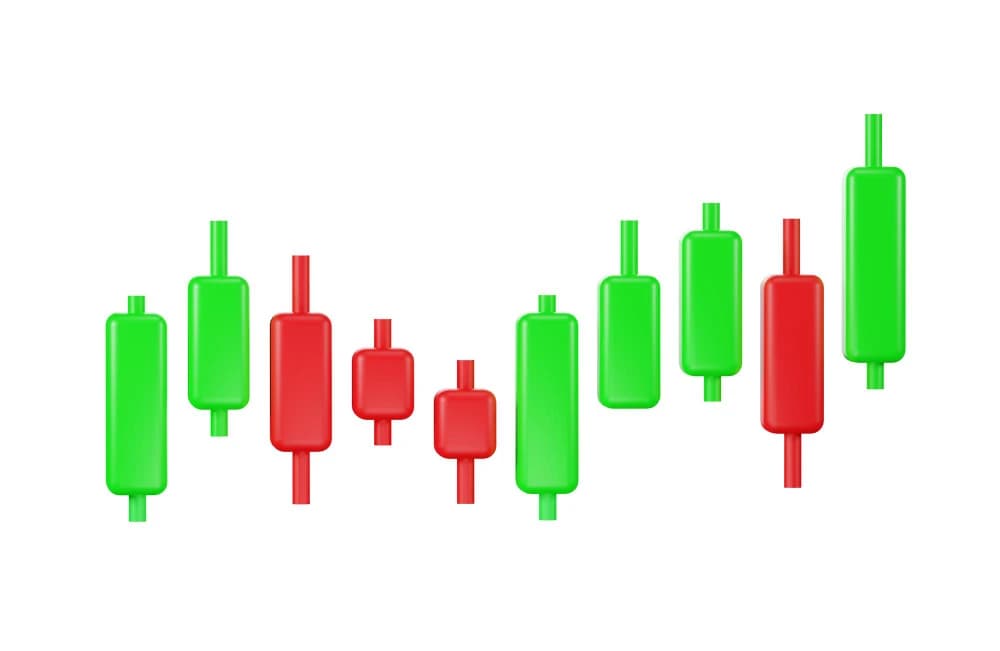
A green or white candle means the close was higher than the open. A red or black candle means the close was lower than the open. The wicks show the highest and lowest prices reached during that period.
These candles give you raw, unfiltered price data. What you see is exactly what happened in the market during that timeframe.
This direct representation makes traditional candlesticks ideal for precise entry and exit points. You're working with real prices, not smoothed or modified values.
What Are Heikin-Ashi Candles?
Heikin-Ashi candles use a formula to create modified values for open, high, low, and close.
Instead of showing actual prices, Heikin-Ashi candles average the current and previous candle data. This creates a smoother appearance and filters out some market noise.
The result is a chart that shows clearer trends with fewer colour changes. When the market is trending up, you'll see more consecutive green candles. When it's trending down, you'll see more consecutive red candles.
But here's the tradeoff: the prices shown on Heikin-Ashi candles are not the actual market prices. They're calculated values that lag slightly behind real-time price action.
Key Differences That Affect Automated Trading
The smoothing effect of Heikin-Ashi candles changes how signals are generated.
With traditional candlesticks, a colour change happens immediately when the close crosses above or below the open. This reflects real market movement in real time.
With Heikin-Ashi, a colour change might be delayed because the formula averages previous data. You might miss the initial move while waiting for the candle colour to confirm.
For manual traders, this delay might not matter much. The visual clarity of trends can outweigh the slight lag.
But for automated strategies, this delay can significantly impact performance. Your strategy might enter trades later than intended or miss opportunities entirely.
How Colour Changes Trigger Automated Entries
Many automated trading strategies use candle colour changes as entry signals.
For example, a simple futures trading strategy might buy when a green candle appears after a series of red candles. The colour change signals a potential trend reversal or continuation.
With traditional candlesticks, this signal fires as soon as the close price confirms above the open. Your strategy can enter immediately at the next available price.
With Heikin-Ashi, the colour change might not occur until several bars later. By the time the signal fires, the move you wanted to catch is already underway or even over.
This lag can turn winning trades into losers or cause you to miss trades completely.
Backtesting Results Can Be Misleading
Here's where things get tricky for strategy developers.
When you backtest a strategy using Heikin-Ashi candles, the results might look great. The smooth trends and clear colour changes make it easy for the strategy to identify good trades.
But those backtest results are based on historical Heikin-Ashi values, which are calculated from data that was already complete. In live trading, you're working with candles that haven't closed yet and values that keep changing.
A Heikin-Ashi candle might be green right now, but by the time it closes, it could turn red. Your strategy might generate a signal based on the current colour, only to have that signal invalidated moments later.
Traditional candlesticks don't have this problem. The close is the close. Once a candle finishes, its colour is final.
Why Precision Matters in NinjaTrader Strategies
NinjaTrader allows you to build highly precise automated strategies.
You can define exact conditions for entries, exits, stops, and targets. But that precision is only useful if the data feeding your logic is accurate and timely.
If you're using Heikin-Ashi candles, you're introducing a layer of calculation between market reality and your strategy's decision-making. This might smooth out visual noise, but it also adds uncertainty to your signals.
For scalping strategies or short-term trades, this uncertainty can be costly. Even a one-tick difference in entry price can impact profitability.
For longer-term swing strategies, the lag might matter less. But you should still understand how Heikin-Ashi affects your entry and exit timing.
When Heikin-Ashi Works for Automation
Heikin-Ashi isn't always bad for automated trading.
If your strategy focuses on longer timeframes and trend-following logic, Heikin-Ashi can help filter out whipsaws. The smoothing effect reduces false signals in choppy markets.
Strategies that trade daily or 4-hour charts might benefit from this smoothing. The lag introduced by Heikin-Ashi is less significant when each candle represents hours or days.
But even then, you need to account for the fact that your entries and exits are based on modified prices, not actual market prices. Make sure your backtests use realistic fill assumptions.
When Traditional Candlesticks Are Better
For most short-term automated strategies, traditional candlesticks provide better results.
If you're scalping, day trading, or using tight stops, you need precise entry and exit prices. Heikin-Ashi's lag can cost you more than the smoothing saves.
Traditional candlesticks also make it easier to code clear logic. A green candle means close greater than open. A red candle means close less than open. No averaging, no delays.
This clarity translates to more reliable signals and better performance in live trading.
Building a Strategy Around Colour Changes
If you want to use candle colour changes in your automated strategy, here's how to do it correctly.
First, decide which candle type fits your timeframe and trading style. For short-term trades, stick with traditional candlesticks. For longer-term trends, you might experiment with Heikin-Ashi.
Next, define your colour change condition clearly in NinjaScript. For traditional candles, check if the current close is greater than the current open for a bullish candle.
For Heikin-Ashi, use the appropriate Heikin-Ashi calculations or reference the built-in Heikin-Ashi indicator in NinjaTrader.
Then add confirmation filters. Don't enter just because a candle changed colour. Combine it with trend direction, volume, or other indicators to reduce false signals.
Finally, backtest thoroughly and compare the same strategy logic using both candle types. See which one performs better with your specific rules and market conditions.
Real-World Example
Let's say you're developing a scalping strategy for ES futures.
Your strategy buys when a green candle appears after two consecutive red candles, assuming you're above a moving average.
With traditional candlesticks, this signal fires quickly. As soon as the third candle closes green, your strategy enters. You catch the early part of the reversal.
With Heikin-Ashi, the third candle might not turn green immediately. It might stay red for another bar or two because the Heikin-Ashi formula is still averaging the previous downward movement.
By the time the Heikin-Ashi candle finally turns green, the price has already moved significantly. Your entry is late, and the risk-reward ratio has deteriorated.
This delay might only be a few ticks, but in scalping, a few ticks can make the difference between profit and loss.
How to Test Candle Type Impact
Before committing to one candle type, run comparative tests.
Code your strategy to work with traditional candlesticks first. Run a backtest over a significant period, at least several months of data.
Record the win rate, average profit per trade, maximum drawdown, and total net profit.
Then switch your data series to Heikin-Ashi and run the exact same strategy logic. Compare the results.
You'll probably notice differences in entry timing, fill prices, and overall performance. Use this data to decide which candle type suits your strategy better.
If Heikin-Ashi improves results, use it. If traditional candlesticks perform better, stick with those.
Combining Both Approaches
Some traders use both candle types in the same strategy.
You might use Heikin-Ashi to determine overall trend direction and traditional candlesticks to time-precise entries.
For example, check if the Heikin-Ashi chart is showing green candles to confirm an uptrend. Then look for a specific candlestick pattern on the traditional chart to trigger your entry.
This combination gives you the smoothing benefits of Heikin-Ashi for trend confirmation and the precision of traditional candlesticks for execution.
In NinjaTrader, you can reference multiple data series in the same strategy, making this approach easy to implement.
Tools That Help With Automated Strategies
If you're building NinjaTrader automated trading strategies and want a head start, consider using proven systems as a foundation.
The HA Scalping Strategy from Rize Capital is designed for futures trading and includes full source code. You can study how it handles candle logic, entries, exits, and risk management.
Using a working strategy as a reference helps you avoid common coding mistakes and understand how successful strategies handle different market conditions.
Whether you build from scratch or modify existing code, the key is understanding how your data inputs affect your strategy's performance.
Final Thoughts
Heikin-Ashi and traditional candlesticks both have their place in trading.
For visual analysis and manual trading, Heikin-Ashi's smoothing can make trends easier to follow. But for automated trading, especially short-term strategies, traditional candlesticks usually provide better results.
The colour changes in Heikin-Ashi candles lag behind real market action because of the averaging formula. This lag can delay entries, cause missed trades, and produce backtest results that don't match live performance.
Traditional candlesticks reflect actual market prices and produce immediate, accurate signals. This makes them more reliable for NinjaTrader automated trading strategies where precision matters.
Before you commit to either candle type, test both with your specific strategy logic. Compare the results and choose based on performance, not just visual preference.
And remember, no matter which candle type you use, solid risk management and proper testing are what separate winning futures trading strategies from losing ones.
For more resources and proven strategies to enhance your automated trading, check out the tools available at Rize Capital.
Disclaimer
This article is for educational and informational purposes only. It is not financial advice, investment advice, or a recommendation to buy or sell any financial instrument. Trading futures and using automated trading strategies involves substantial risk of loss and is not suitable for everyone. Past performance of any strategy does not guarantee future results. Before making any trading decisions, you should consult with a qualified financial advisor and conduct your own research. Rize Capital and the author of this article are not responsible for any trading losses you may incur.

Shariful Hoque
SEO Content Writer
Shariful Hoque is an experienced content writer with a knack for creating SEO-friendly blogs, marketing copies and scripts.
Related Posts

The Complete Guide to the HA Scalping Strategy for NinjaTrader 8
Learn everything you need to know about Rize Capital's excellent HA Scalping Strategy for NinjaTrader 8.
How to Build an Automated Trading Strategy in NinjaTrader 8: A Step-by-Step Guide for Beginners
Kickstart your trading journey by learning to build a powerful automated strategy in NinjaTrader 8, even if you're a beginner.

The Adaptive Breakout Strategy (ABS) for NinjaTrader 8: Automated Compression Breakouts with Professional Risk Management
Learn about the Adaptive Breakout Strategy for NinjaTrader 8 made and presented to you by Rize Capital with complete source code.